Su Yiru: Living Fully with an “Invisible” Illness
Yiru was seven years old when her life quietly changed course.
A routine visit to the general practitioner revealed a heart murmur – something that led to further tests and a referral to a cardiologist. Soon after, she was diagnosed with Marfan Syndrome, a rare connective tissue disorder that affects major organs such as the heart, eyes, and spine.
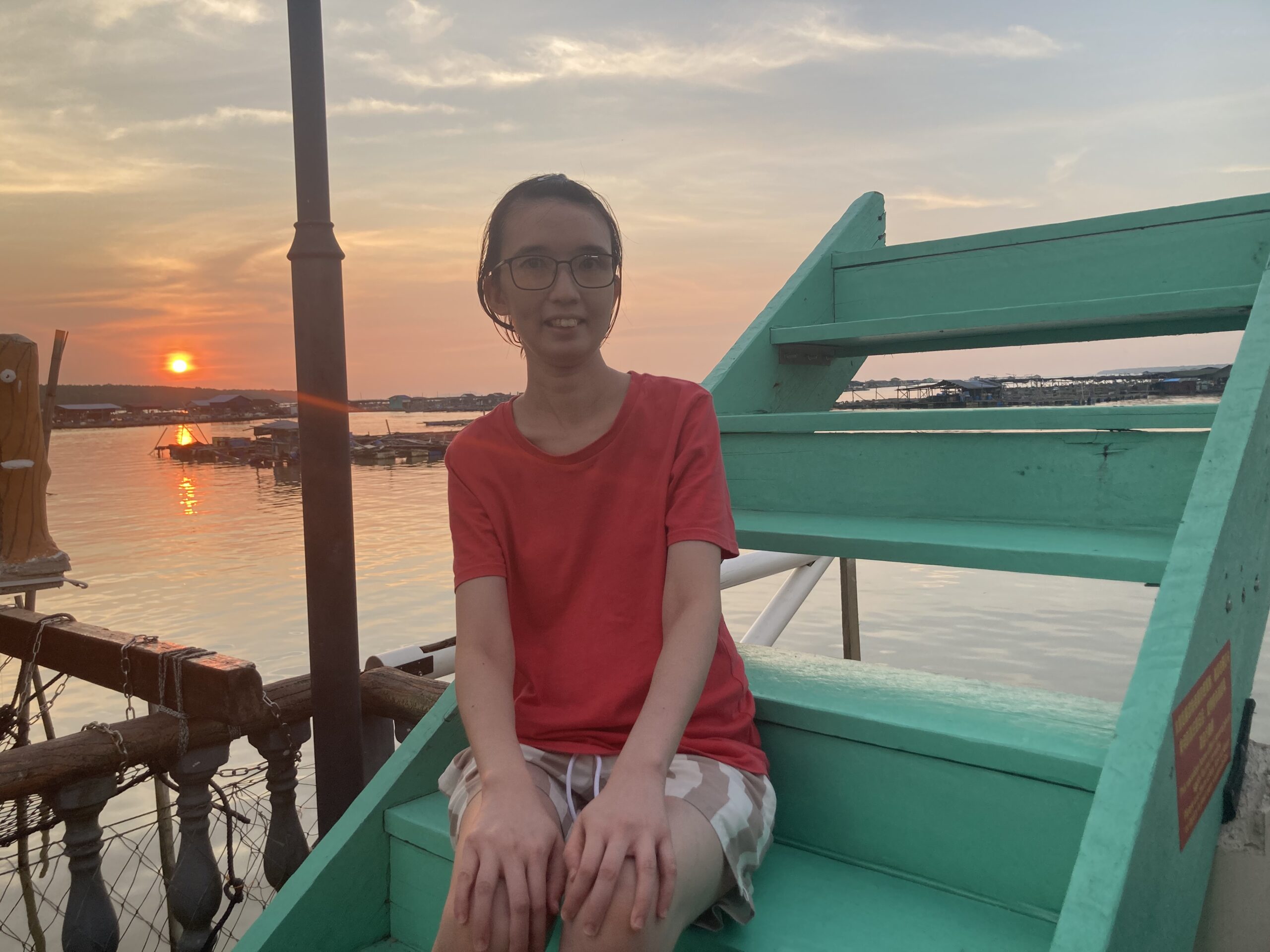
At that age, Yiru was too young to understand what the diagnosis meant. What she did understand, however, was that she was different.
In school, she was exempted from Physical Education classes. Due to poor vision, she had to sit in the front row during lessons. Yearly echocardiograms and frequent medical appointments became part of her routine, long before she knew why they were necessary.
As she grew older, the impact of her condition became more pronounced. Over the years, Yiru underwent ten surgeries, involving her eyes, spine, lungs, and heart. Each surgery meant time away from school or work – pauses that were unavoidable, yet deeply felt. Today, she continues to manage care across an extensive network of specialists, from cardiology and ophthalmology to pain management, neurology, and psychology.
“There isn’t a single care coordinator or social worker guiding the process,” Yiru shares. “You learn to navigate the healthcare system on your own.”
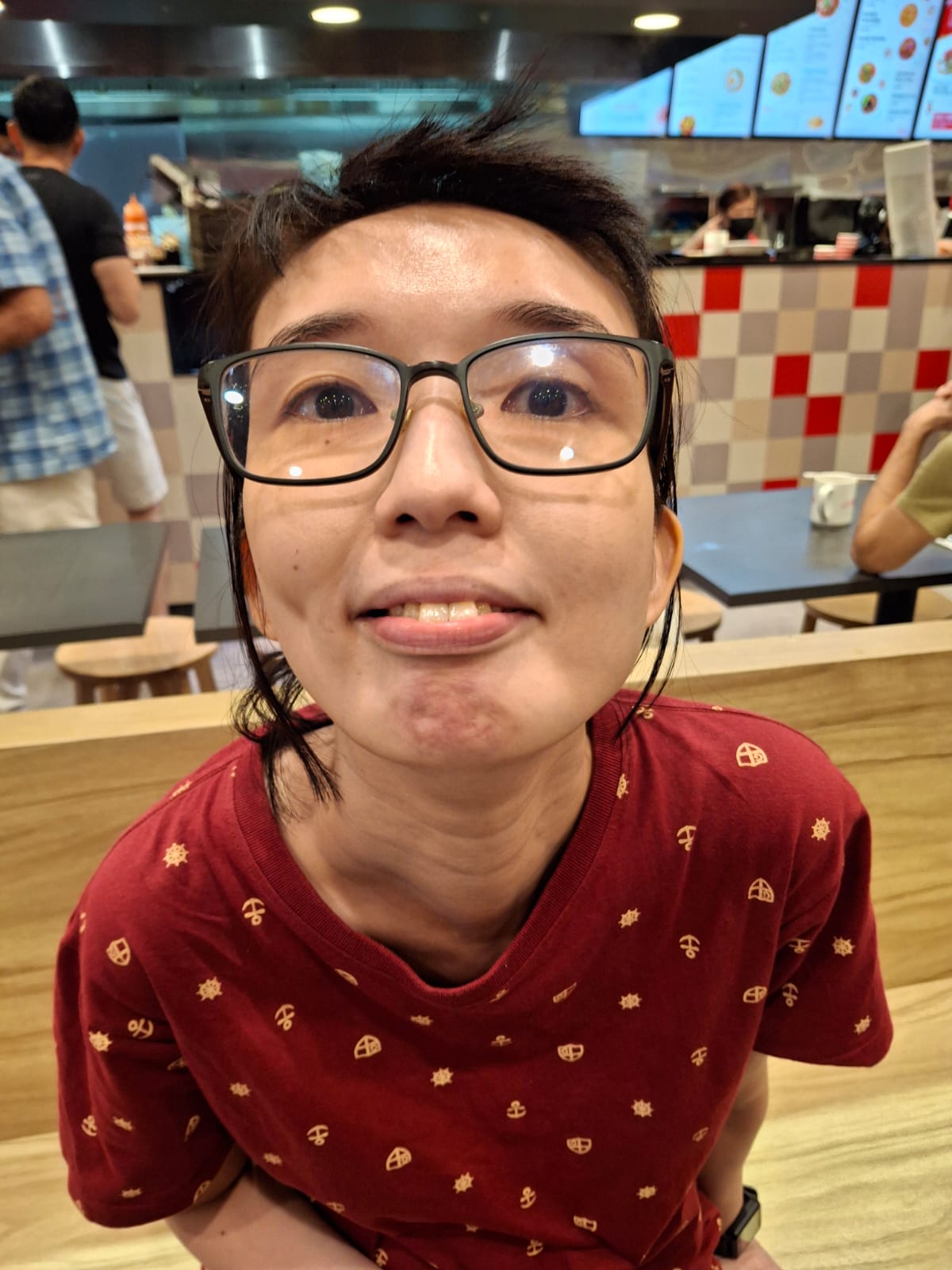
Living with Marfan Syndrome also means managing daily, invisible challenges including chronic pain, fatigue, and lifelong medication. She takes losartan to prevent dilation of the aorta, a precaution that underscores how closely her health must be monitored.
Yet, some of the hardest moments are not physical.
“It’s difficult watching peers excel in their careers or start families,” Yiru reflects. “I often feel like I’m lagging behind.”
These comparisons can be isolating, especially when chronic illness is invisible to the outside world. “People with chronic illnesses can look completely ‘normal’,” she says. “But that doesn’t mean the journey is easy.”
To cope, Yiru finds comfort in simple, intentional acts of self-care. Monthly facials, hair treatments, café hopping, and even online shopping are some of the everyday comforts that help her keep her spirits up. Staying busy helps her keep negative thoughts at bay. These small rituals are not indulgences; they are ways of preserving emotional balance and reclaiming joy.
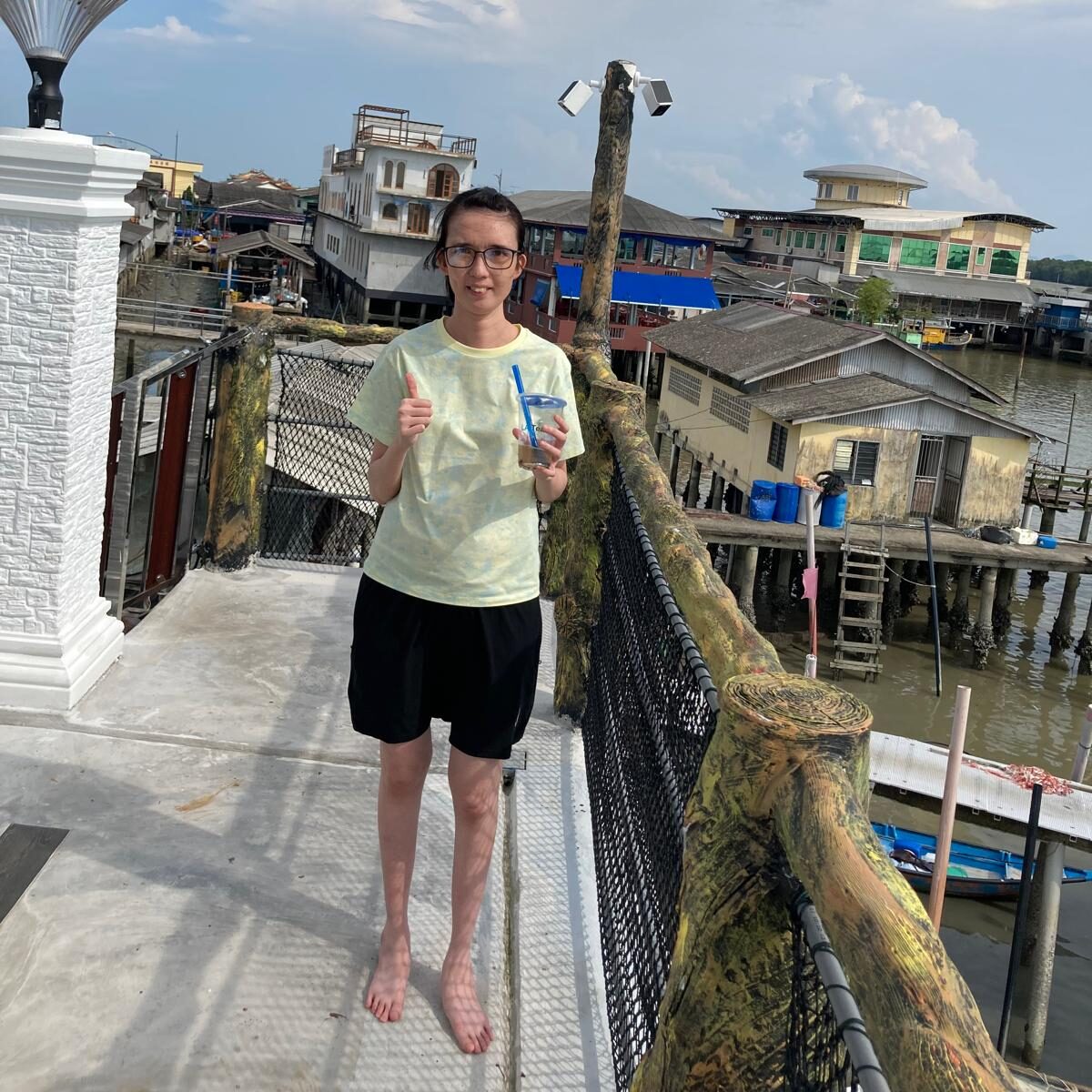
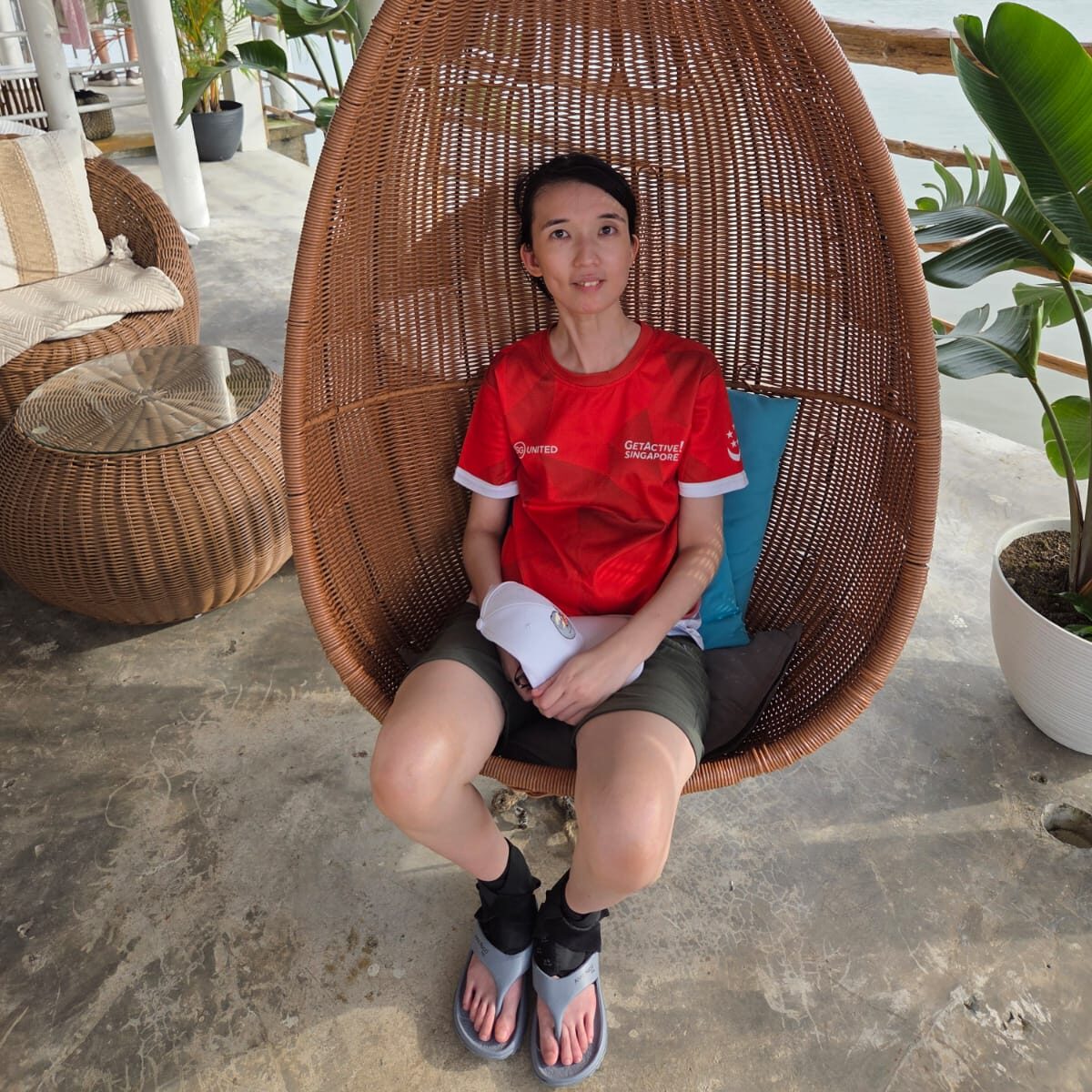
Despite the uncertainties that come with her condition, Yiru has built a stable and meaningful life. She has worked in an administrative role within the civil service for over 13.5 years, supported by an understanding employer. Financially, she is currently able to manage her medical expenses, but she admits that worries about the future remain.
“I do think about the day when my health might decline, and I may not be able to work anymore,” she says honestly.
A turning point came when Yiru read a Straits Times article featuring a beneficiary with a rare disorder. For the first time, she saw her own experiences reflected in someone else’s story. Soon after, she found her way to the Rare Disorders Society (Singapore).
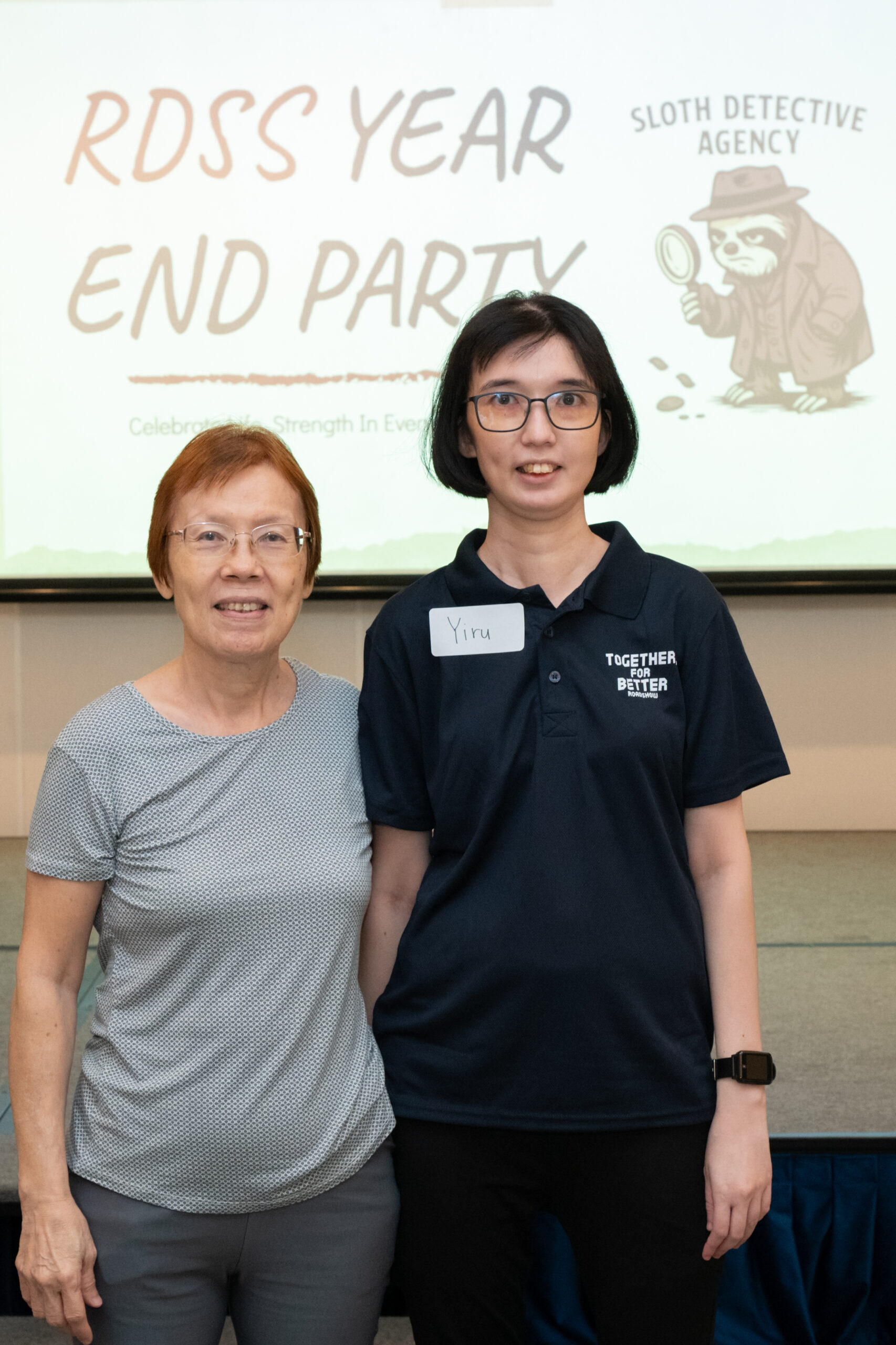
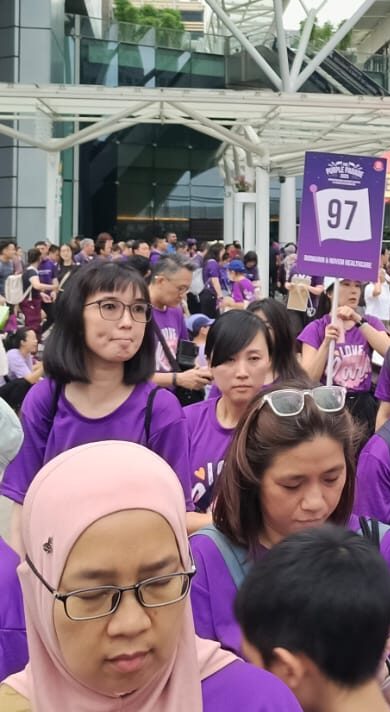
Through RDSS, Yiru discovered a community that truly understands the realities of living with a rare, chronic, and often invisible illness. Participating in events such as Carry Hope, Purple Parade, Year-End Parties, and Art Therapy sessions has helped her feel less isolated – and more seen.
“In this community, I don’t have to explain myself,” she shares. “People just understand.”
Today, Yiru lends her voice to advocating for greater awareness, inclusivity, and stronger support systems for those living with rare conditions. Her hope is simple, yet powerful: that society learns to look beyond appearances, and to recognise that resilience often exists quietly, beneath the surface.
Yiru’s journey is not defined by her diagnosis. It is shaped by perseverance, self-compassion, and the strength she has found in the community. Her story is a reminder that living with a rare condition does not mean living any less fully, and that with understanding and support, no one has to walk the journey alone.
./spana%20href=https://rdss.org.sg/wp-content/uploads/2026/02/Yiru-7-scaled.jpgimg%20class=alignnone%20size-medium%20wp-image-5255%20src=https://rdss.org.sg/wp-content/uploads/2026/02/Yiru-7-200x300.jpg%20alt=RDSS%20Rare%20Champion%20Spotlight%20-%20Su%20Yiru%20width=200%20height=300%20//a%20a%20href=https://rdss.org.sg/wp-content/uploads/2026/02/Yiru-5-e1770305779435.jpgimg%20class=alignnone%20size-medium%20wp-image-5253%20src=https://rdss.org.sg/wp-content/uploads/2026/02/Yiru-5-e1770305779435-164x300.jpg%20alt=RDSS%20Rare%20Champion%20Spotlight%20-%20Su%20Yiru%20width=164%20height=300%20//aspan%20style=font-weight:%20400;Through%20RDSS,%20Yiru%20discovered%20a%20community%20that%20truly%20understands%20the%20realities%20of%20living%20with%20a%20rare,%20chronic,%20and%20often%20invisible%20illness.%20Participating%20in%20events%20such%20as%20Carry%20Hope,%20Purple%20Parade,%20Year-End%20Parties,%20and%20Art%20Therapy%20sessions%20has%20helped%20her%20feel%20less%20isolated%20–%20and%20more%20seen./spanspan%20style=font-weight:%20400;“In%20this%20community,%20I%20don’t%20have%20to%20explain%20myself,”%20she%20shares.%20“People%20just%20understand.”/spanspan%20style=font-weight:%20400;Today,%20Yiru%20lends%20her%20voice%20to%20advocating%20for%20greater%20awareness,%20inclusivity,%20and%20stronger%20support%20systems%20for%20those%20living%20with%20rare%20conditions.%20Her%20hope%20is%20simple,%20yet%20powerful:%20that%20society%20learns%20to%20look%20beyond%20appearances,%20and%20to%20recognise%20that%20resilience%20often%20exists%20quietly,%20beneath%20the%20surface./spanspan%20style=font-weight:%20400;Yiru’s%20journey%20is%20not%20defined%20by%20her%20diagnosis.%20It%20is%20shaped%20by%20perseverance,%20self-compassion,%20and%20the%20strength%20she%20has%20found%20in%20the%20community.%20Her%20story%20is%20a%20reminder%20that%20living%20with%20a%20rare%20condition%20does%20not%20mean%20living%20any%20less%20fully,%20and%20that%20with%20understanding%20and%20support,%20no%20one%20has%20to%20walk%20the%20journey%20alone./spanspan%20style=font-weight:%20400;/span )